

iPad mini gets the upgrade pilots have been waiting for
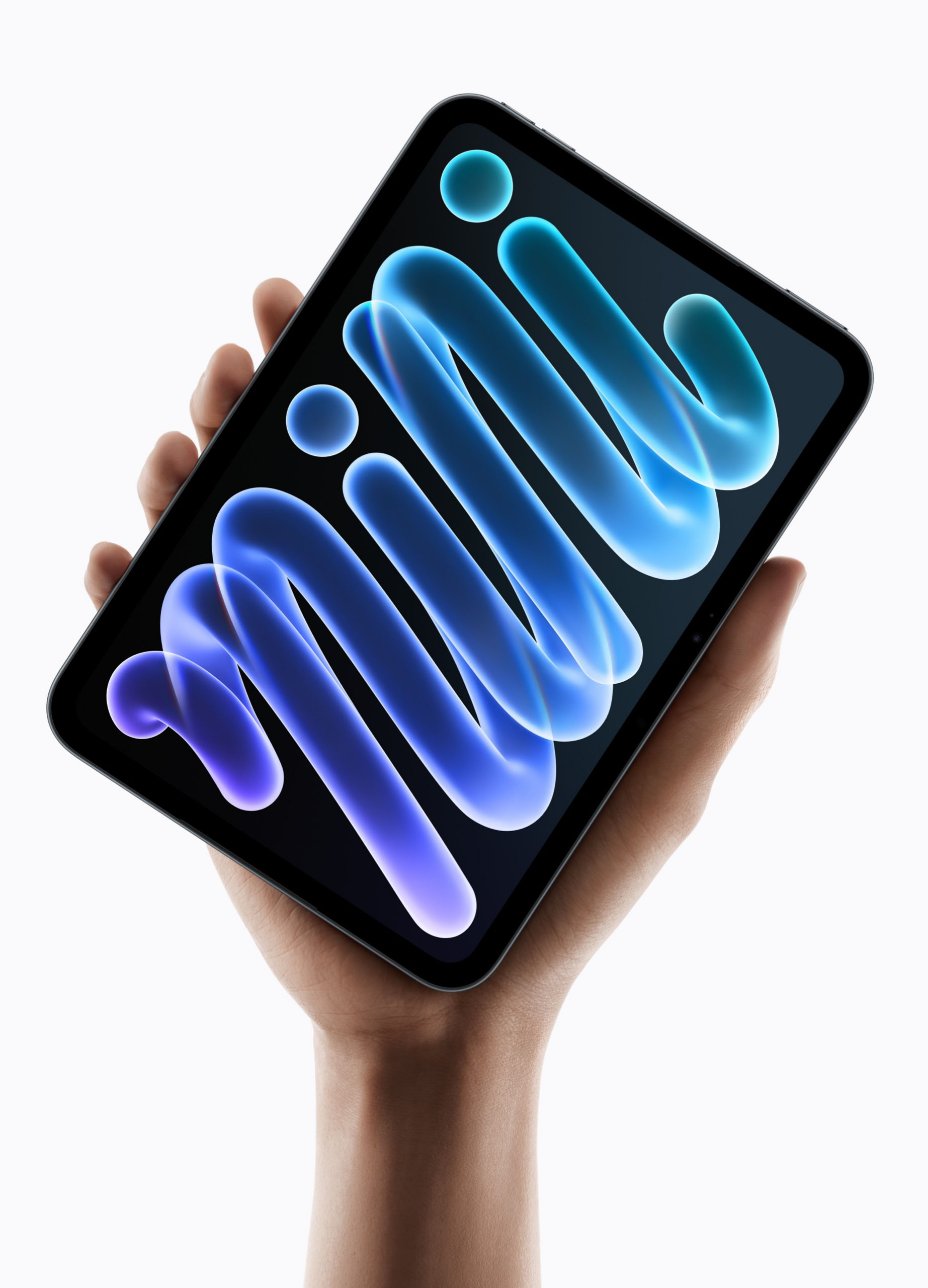 Apple officially announced the next-generation iPad mini this week, and pilots are going to love it. The mini’s smaller footprint remains the preferred size for most GA pilots, and this latest model packs a lot into its small frame.
This new model is unofficially the 8th-generation iPad mini, arriving 14 years after the original launched in October 2012. This update matters because many pilots are still flying with the 6th-generation iPad mini, which is now over 5 years old. The 7th-gen iPad mini from 2024 was a minor update and didn’t provide a compelling reason to upgrade.
Apple is calling the latest version “the mini’s biggest update ever”, and that’s welcome news. It includes Apple’s OLED screen, an improved form factor, a powerful A20 Pro processor, and the option to upgrade to the airplane-friendly nano-texture screen.
Here we’ll review all the new specs, and then follow up in a few weeks with a full pilot report once we get a chance to fly with one in the airplane.
New OLED Display
The new iPad mini is the first mini with an OLED screen, a technology previously available only on the iPad Pro. It uses Apple’s Super Retina XDR display and grows slightly from 8.3″ to 8.5″ thanks to 24% thinner bezels. Resolution increases to 2316 x 1512, while keeping the same 326 pixels per inch.
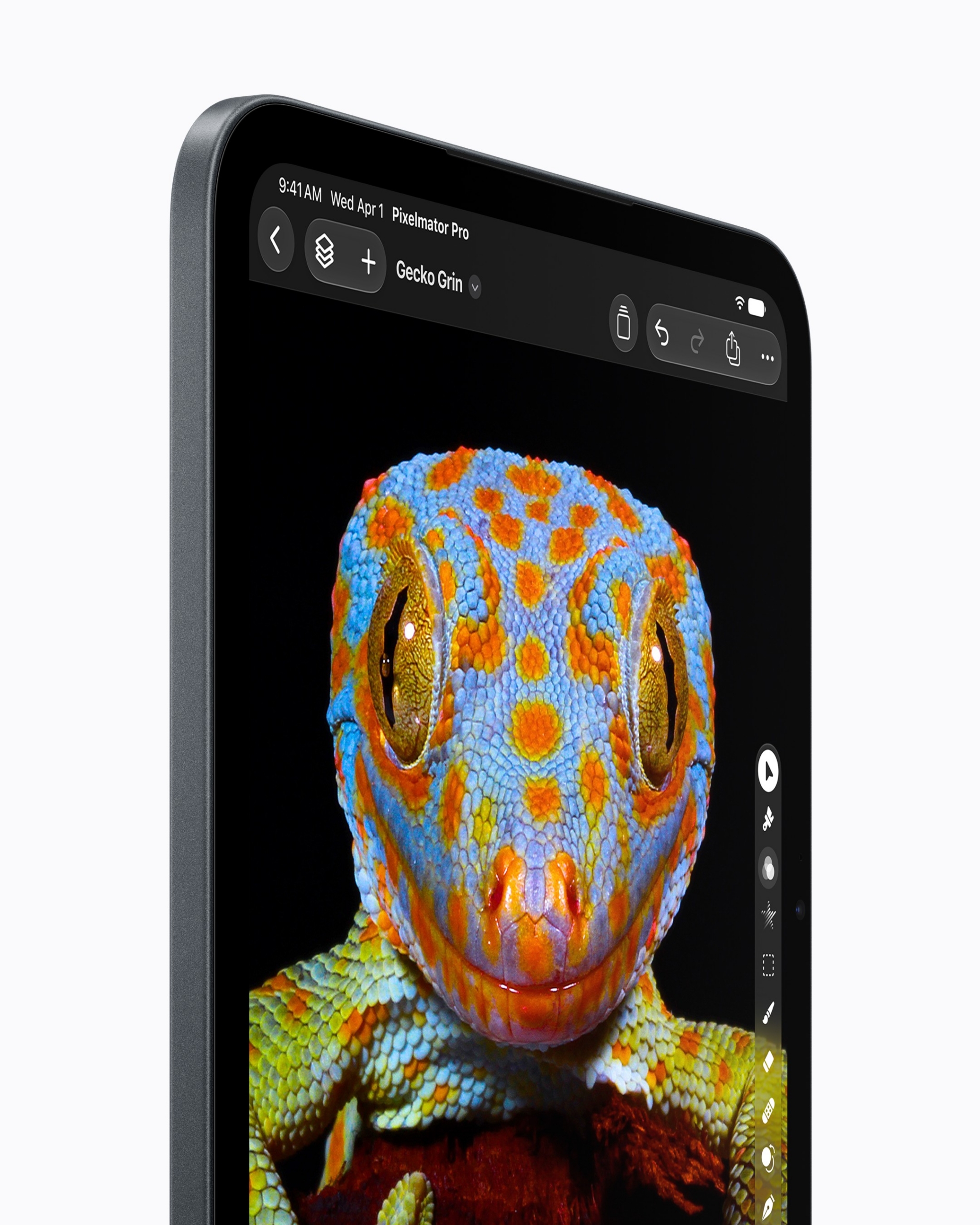 Max screen brightness for standard app content, like the charts and weather reports in your favorite EFB app, increases to 600 nits, up 20% from the previous model. The screen maxes out at 1,200 nits, but that applies only to HDR content like photos and video, so don’t expect it to help in a bright cockpit.
The more appealing feature for pilots is the new nano-texture glass upgrade. This matte finish scatters light instead of reflecting it, which reduces screen glare in the cockpit. While the base iPad mini starts at 128GB, this $100 upgrade is only available on the 256GB or 512GB models.
Based on our experience flying with the nano-texture iPad Pro, this screen is noticeably better than the standard screen, so if you’re on the fence, it’s probably worth upgrading. However, it’s certainly not a must-have feature, and for anyone looking to save some money, you can easily skip it without giving up much performance.
OLED also delivers true blacks and a minimum brightness of just 1 nit. This will be easier on your night vision when you’re viewing charts in a dimly lit cockpit.
What else is new
Beyond the display, here’s the full list of upgrades.
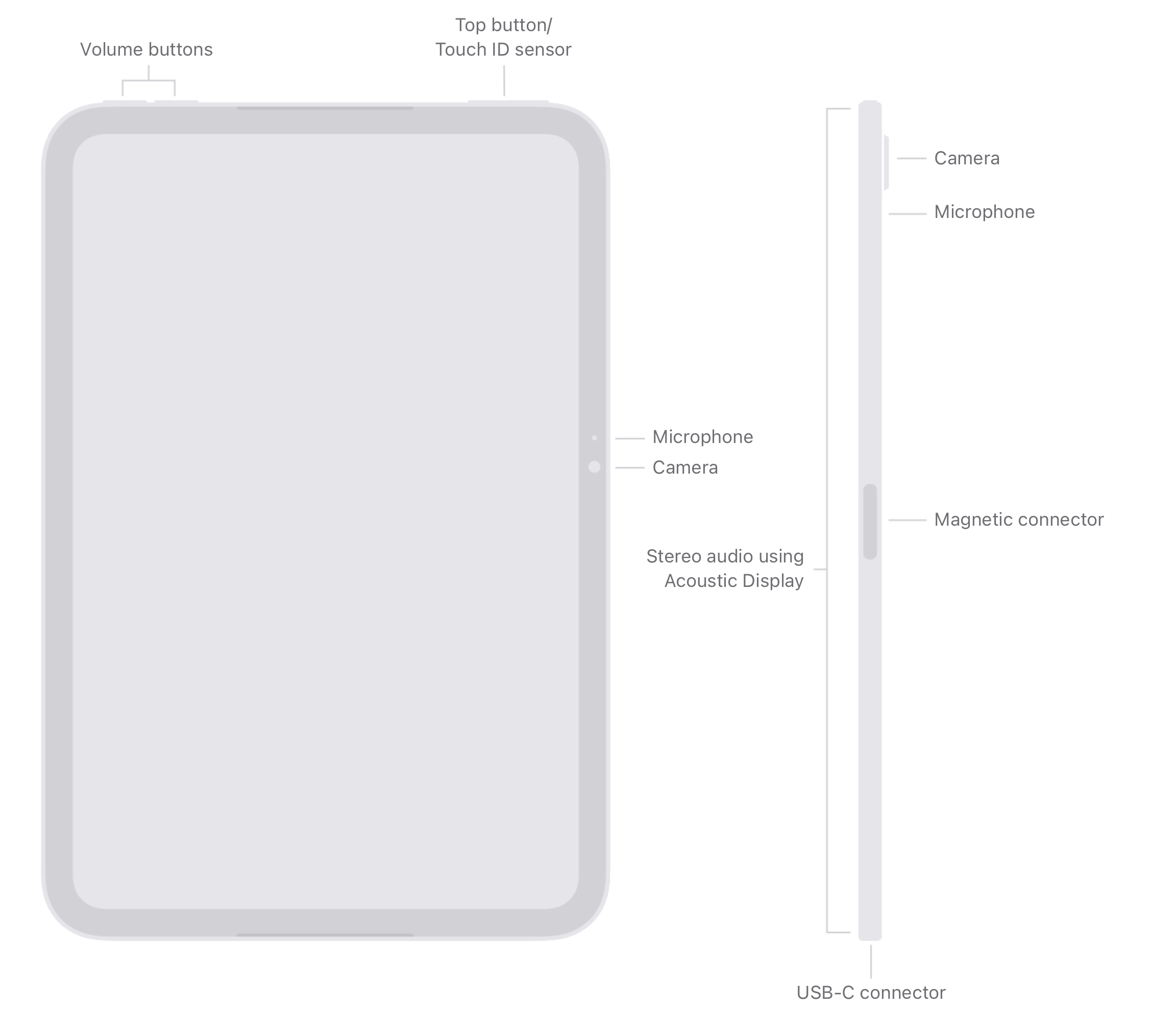
Thinner and lighter: The Wi-Fi model is now 5.4 mm (0.21″) thick and weighs 0.56 lbs, down from 6.3 mm and 0.65 lbs. The cellular model weighs 0.58 lbs. Apple says it’s the lightest iPad ever.
Processor: The new mini uses the A20 Pro chip, which is the same one that debuted in the iPhone 18 Pro last month. Apple claims up to 60% faster CPU and 2.7x faster graphics performance than the A17 Pro in the previous mini. The 128GB and 256GB models get a 5-core CPU, while the 512GB model gets a 6-core CPU and a second Neural Engine.
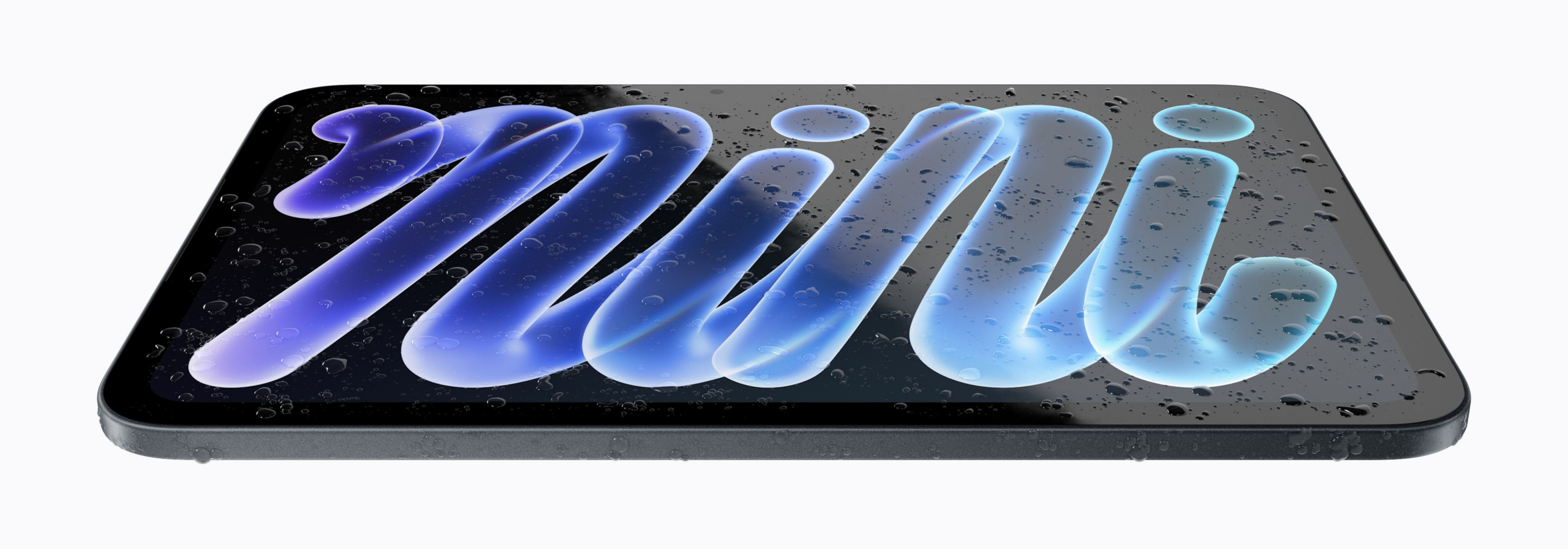
Water and dust resistance: It has an IP67 rating, good for up to 30 minutes at 1 meter deep. This is a first for any iPad, and will provide peace of mind during a rainy preflight or spilled coffee from your copilot (yes, that’s happened to us more than once).
Fast charging: The battery will charge up to 50% in 30 minutes when using a USB-C adapter rated at 35W or higher. The adapter in the box is still 20W, but plenty of inexpensive aftermarket high-wattage chargers are available.
Wireless: Apple’s N1 chip adds Wi-Fi 7 and Bluetooth 6. Cellular models get Apple’s C2 modem, which Apple says is up to 50% faster. As with all other iPad models, only the cellular model includes a built-in GPS receiver.
Speakers: A new Acoustic Display system plays audio through the screen and enclosure, eliminating the speaker holes. This also helps enable the IP67 rating.
Front camera: The 12MP front camera moves to the long edge, so it’s centered when you hold the iPad in landscape for video calls.
Like the processor in any iPad released in the last 2 to 3 years, the A20 Pro is far more powerful than any aviation app needs today. The real benefit is longevity. A faster chip means the mini will keep up with app and iPadOS updates for more years, including new Siri AI and Apple Intelligence features.
What hasn’t changed
While this upgrade adds several exciting features, many core features stayed the same. Touch ID is still built into the top power button, with no Face ID. We think that’s a good thing, since a fingerprint is more reliable than face scanning when you’re wearing sunglasses and a headset.
Battery life is also unchanged at up to 10 hours on Wi-Fi, or 9 hours on cellular. That’s despite a smaller 18.9 watt-hour battery in the thinner body, so the efficiency gains result from the A20 Pro processor. We’d expect actual battery life in flight to fall in the 4 to 6 hour range, like other iPads.
The USB-C port, 12MP rear camera, and Apple Pencil Pro support all remain. Apple’s published operating limits are the same as well: 32° to 95°F ambient temperature, tested to 10,000 feet.
How much did the size change?
The new mini is the same height as the previous model but slightly narrower and thinner:
| iPad mini (A17 Pro, 2024) | New iPad mini (A20 Pro) | |
|---|---|---|
| Height | 7.69″ | 7.69″ |
| Width | 5.30″ | 5.22″ |
| Thickness | 0.25″ | 0.21″ |
| Weight (Wi-Fi) | 0.65 lbs | 0.56 lbs |
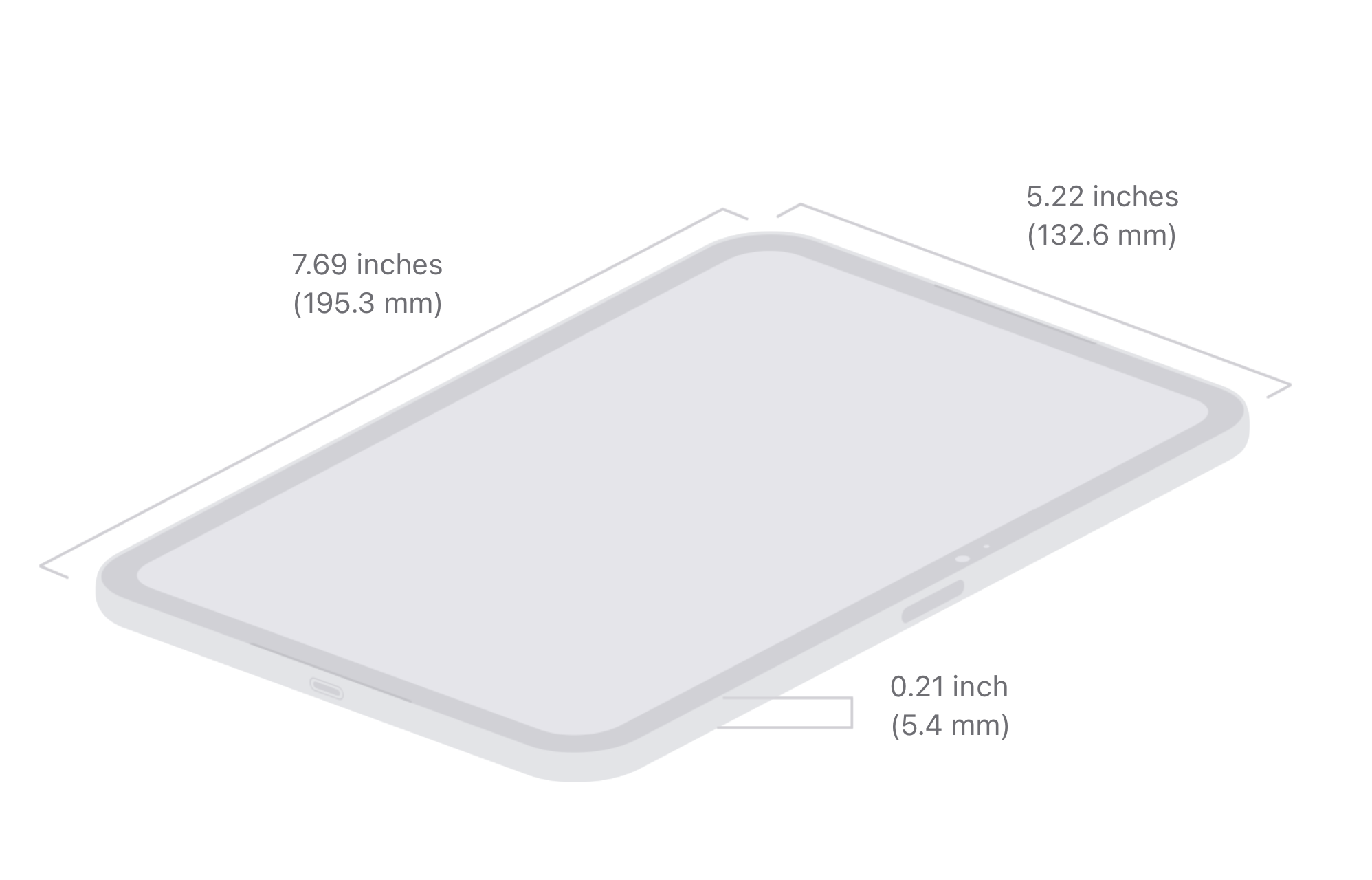
Adjustable mounts that clamp the iPad, like the Robust Universal iPad Suction Cup Mount, Robust Universal iPad Yoke Mount, and RAM X-Grip, should still work well. The same goes for strap-style kneeboards.
Price, availability and should you upgrade?
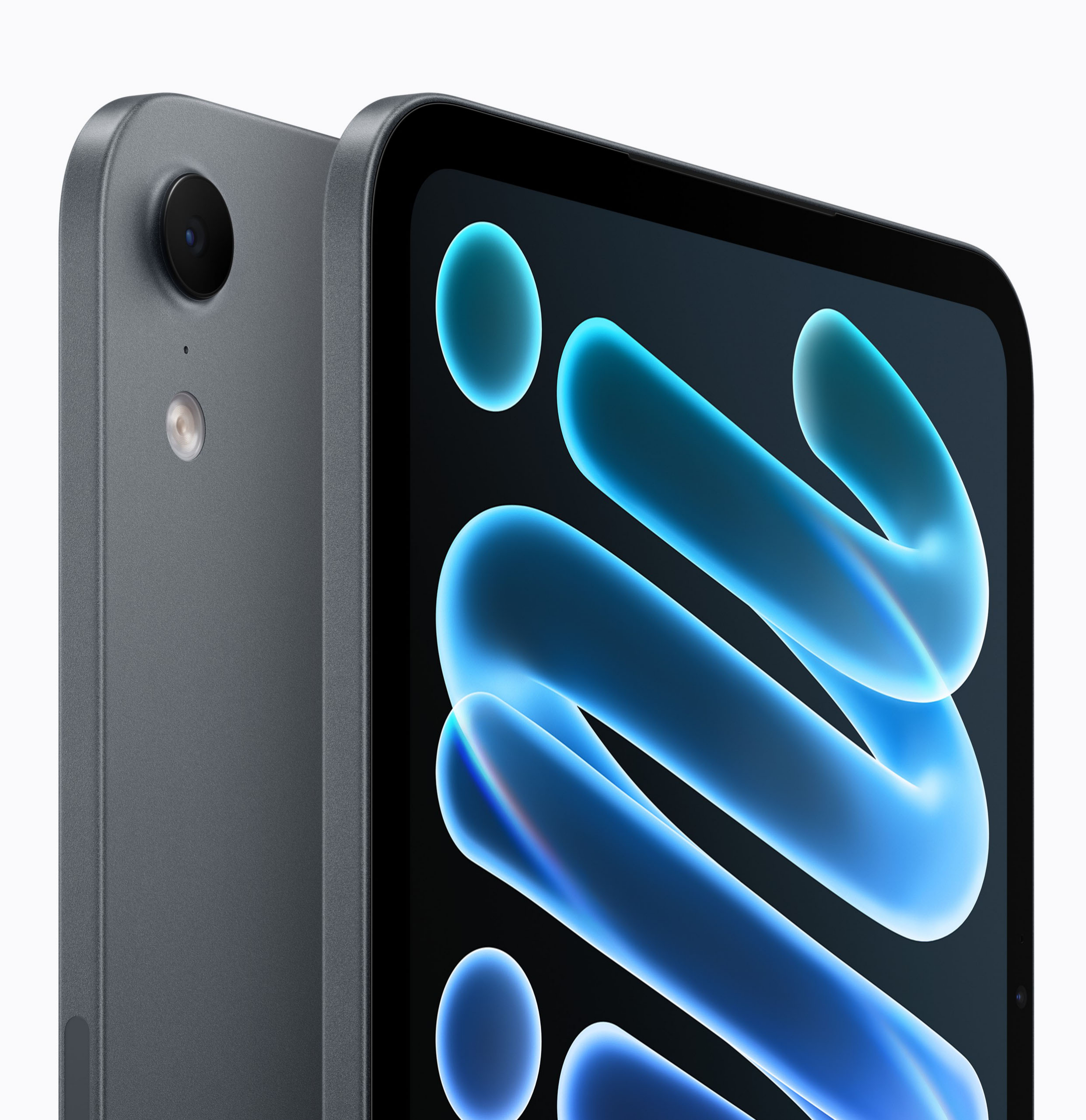 The new iPad mini starts at $699 for the 128GB Wi-Fi model, available in Midnight (dark gray) or Starlight (lighter champagne), with options to upgrade storage to 256 GB or 512 GB. This starting price is $200 more than the iPad mini from 2024, which reflects Apple pricing this as a premium product amid rising technology prices. If you want the nano-texture screen, you must select at least the 256GB model. Add cellular for built-in GPS, and the price goes over $1,000.
So, should you upgrade?
- iPad mini 7 owners (2024): Your iPad still runs every aviation app well. If sun glare and screen brightness are a current issue, the nano-texture model is worth a look. Otherwise, your current mini is plenty capable.
- iPad mini 6 owners (2021): While this model still runs the latest iPadOS 27, battery life is likely an issue, and performance can lag. We’d recommend an upgrade.
- iPad mini 5 or older: It’s time. The larger, brighter display, modern processor, and USB-C charging are a big step up.
- Student pilots and first-time buyers: The new mini is an excellent iPad for aviation use, but the $699 starting price might be too much for some. If you’re on a budget, consider a discounted or refurbished A17 Pro mini.
The new iPad mini is available for pre-order today and arrives in stores November 6.

- iPad mini gets the upgrade pilots have been waiting for - October 28, 2026
- Quiz: What do these aviation iPad app acronyms mean? - October 6, 2026
- How to retrieve a Mobile IFR Clearance using Garmin Pilot - September 30, 2026

Leave a Reply
Want to join the discussion?Feel free to contribute!